T minus 00:08:00 THE ARC
Sixty years, in the moments that mattered
Space history is usually told as a race. It is more useful read as a sequence of problems, each of which had to be solved before the next one could be attempted. Getting there. Staying there. Going somewhere else. Coming back. Doing it economically.
1942
The first object in space
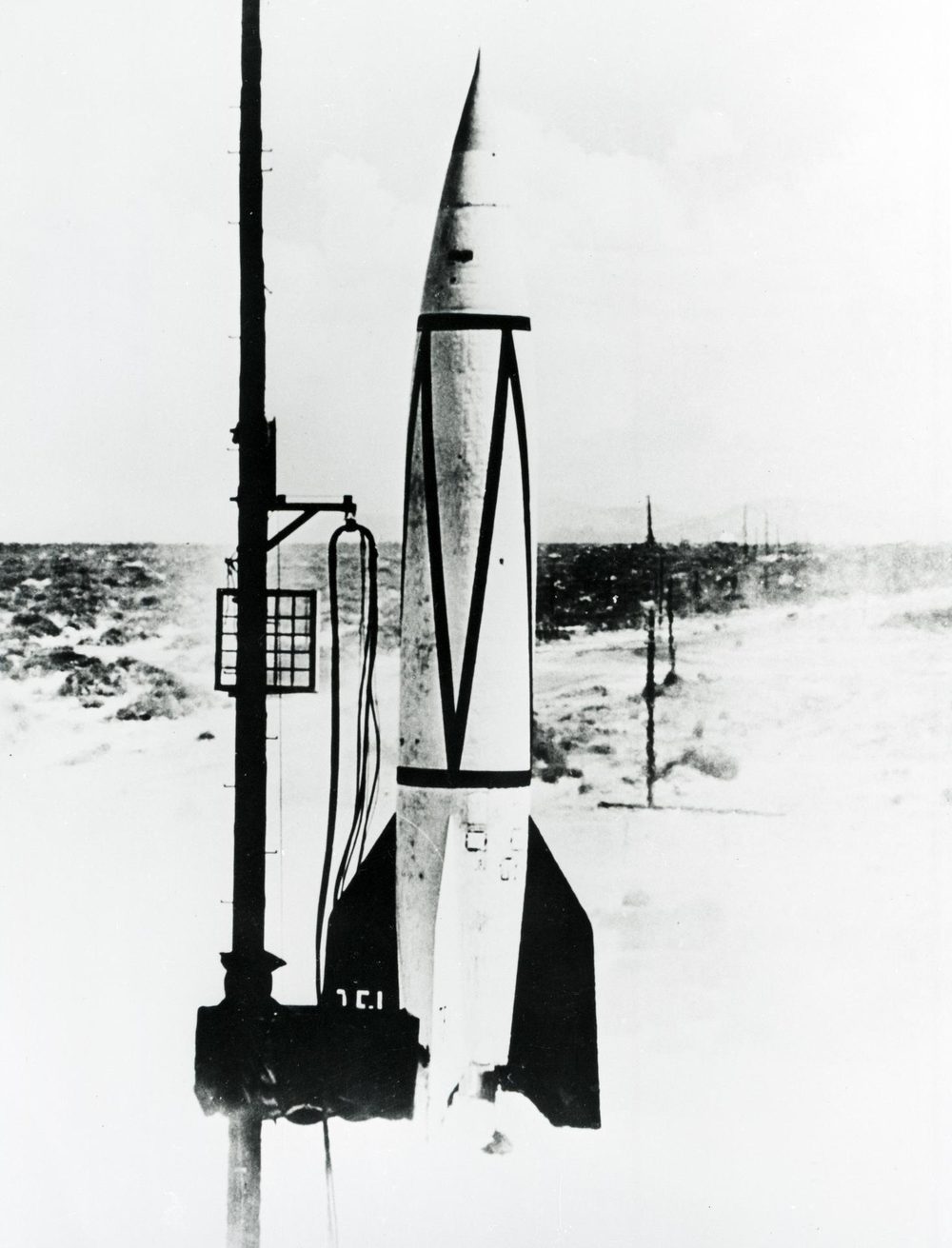
A German V-2 reaches an altitude of about 85 km on a test flight, and in June 1944 another passes 176 km. It was a weapon, and it worked out that a liquid-fuelled rocket could leave the atmosphere.
The architecture, a turbopump-fed liquid engine steered by gyroscopes and vanes, is recognisably the ancestor of every orbital launcher. What was missing was not thrust but staging; one stage reaches space, and only stacked stages stay there.
1957
Sputnik 1
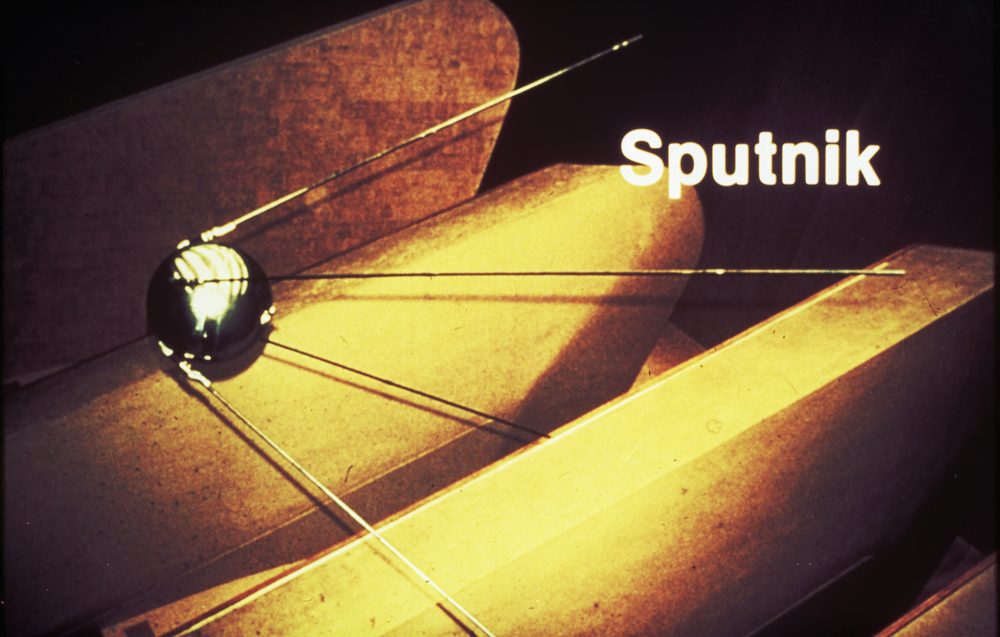
An 84 kg sphere with a radio beacon, in orbit for three weeks. It did almost nothing, and it changed everything: orbit was now a place you could put something and expect it to stay.
Orbit is a statement about velocity rather than altitude, roughly 7.8 kilometres per second sideways, which is why the launcher mattered more than the satellite. The R-7 that carried it, much modified, still flies as Soyuz.
1961
Yuri Gagarin
One orbit, 108 minutes. The question of whether a human could survive launch, weightlessness and re-entry was answered in a single flight. Vostok 1 flew the profile automatically, with the manual controls locked out unless the pilot entered a code. Gagarin ejected during descent and landed under his own parachute, separately from the capsule.
Automating the profile and locking out the controls was a judgement about unknowns, since nobody knew whether a person could function in orbit at all. The vehicle assumed the pilot might not, and crew autonomy has been negotiated against that assumption ever since.
1965 – 66
Gemini
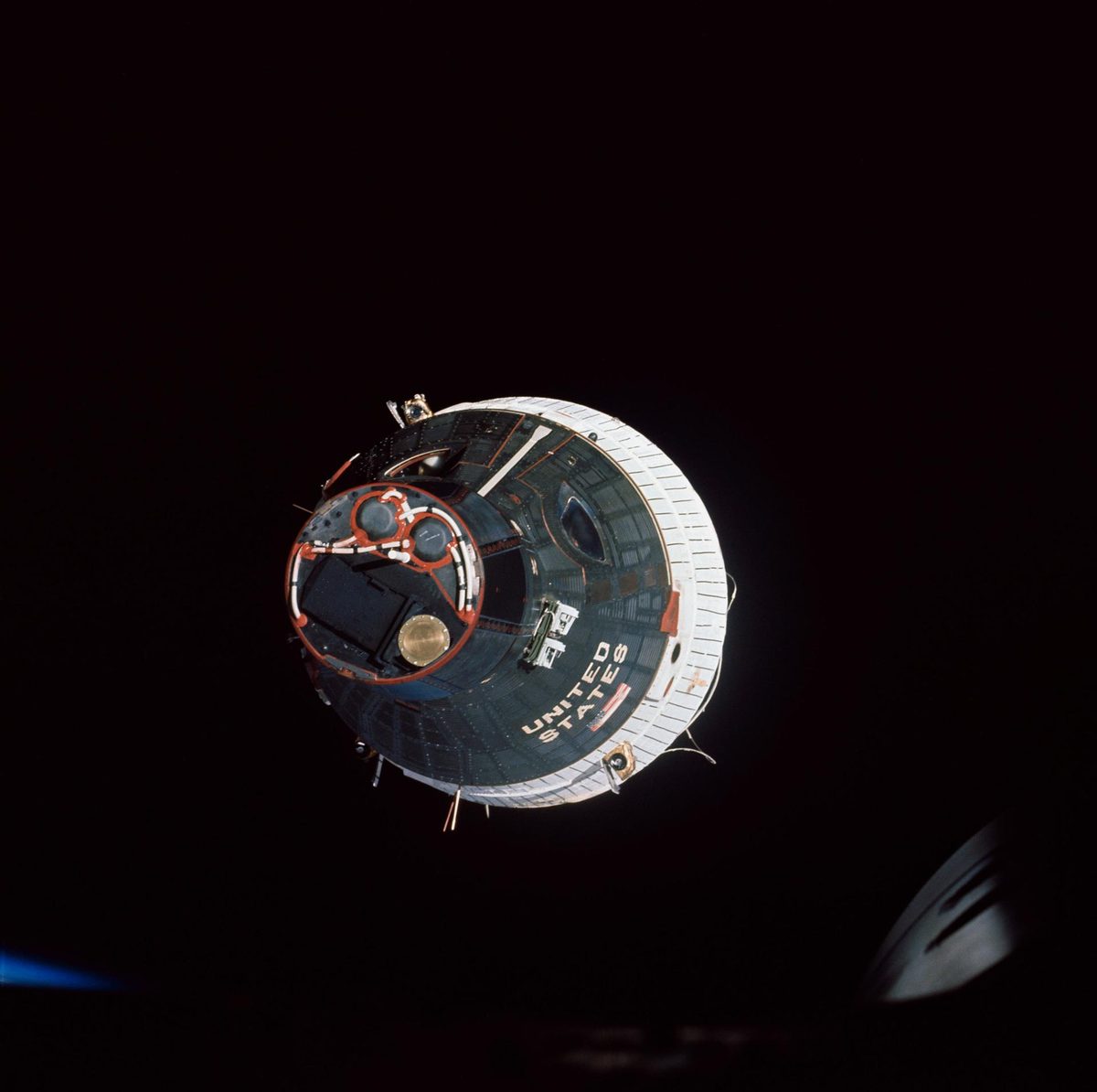
Rendezvous, docking, EVA and two-week endurance, all demonstrated inside twenty months. Without this, lunar orbit rendezvous was not a viable mission profile. The full story is here.
Gemini was the deliberate bridge, flying and debugging every capability Apollo needed but Mercury lacked, on a cheaper vehicle. Buying down risk before it reaches the expensive programme is the pattern worth copying.
1969
Apollo 11
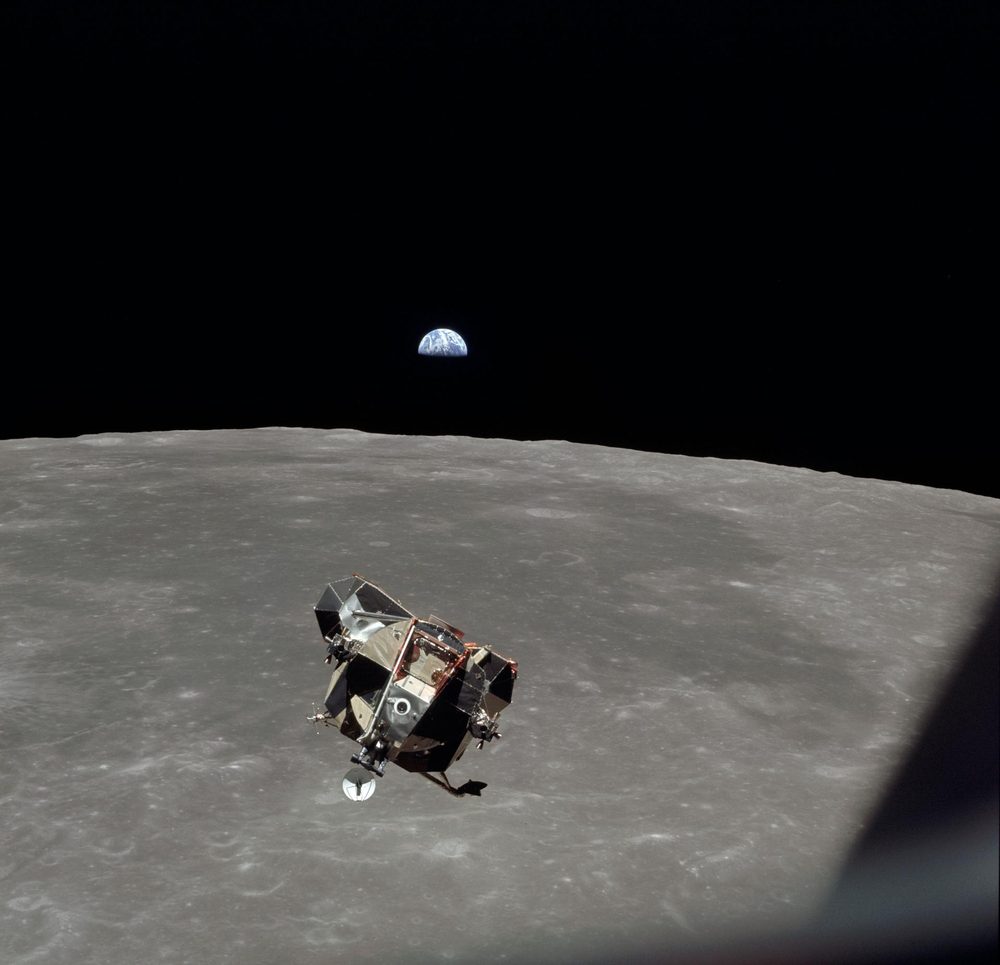
The landing is the famous part. The engineering achievement was the rendezvous afterwards: the ascent stage finding the command module in lunar orbit, with no second chance and no rescue available.
The ascent engine’s design answer to having no backup was ruthless simplicity: hypergolic propellants that ignite on contact, pressure feed instead of pumps, and almost nothing that could refuse to start.
1971
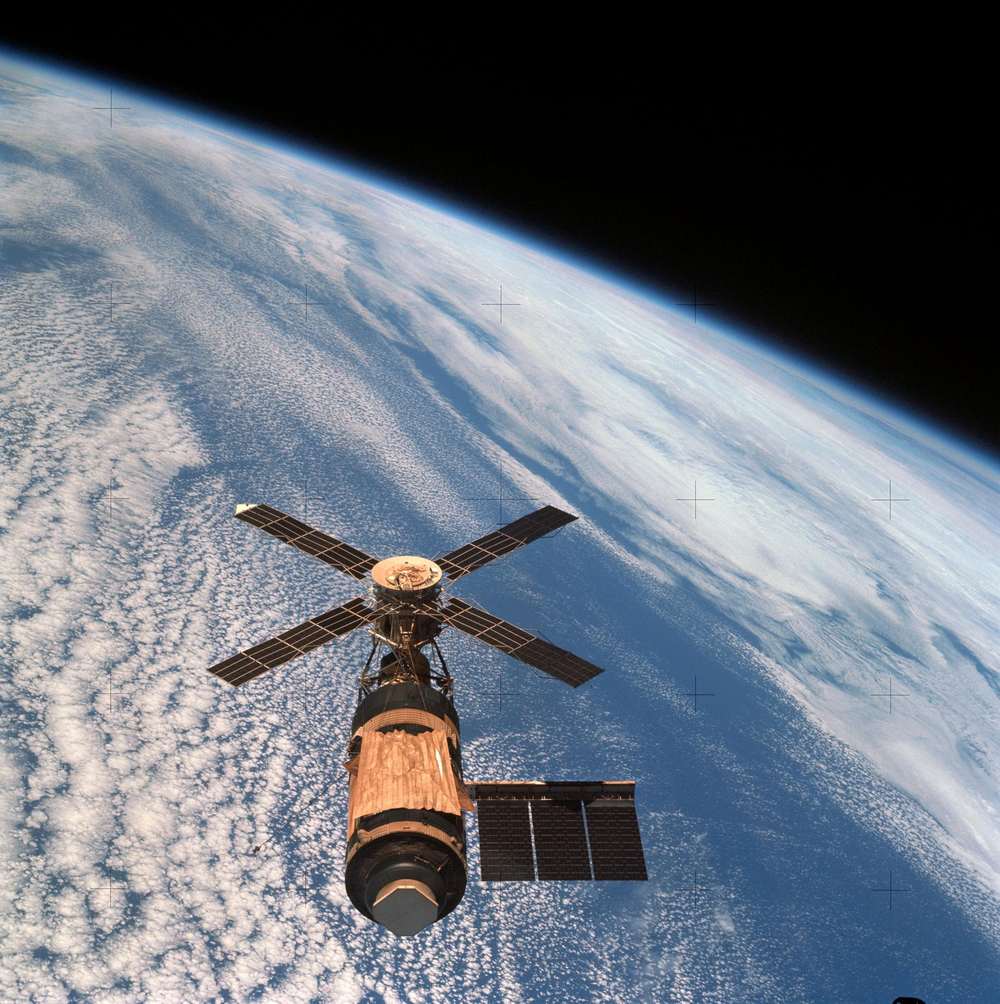
Salyut 1
The first space station. The problem shifts from visiting to staying, and with it comes resupply, crew rotation and repeated docking as an ordinary operation.
A station changes the reliability question from surviving one flight to sustaining a supply chain, with docking, resupply and crew rotation as repeating operations. Repetition, not the single heroic mission, became the measure of maturity.
1981
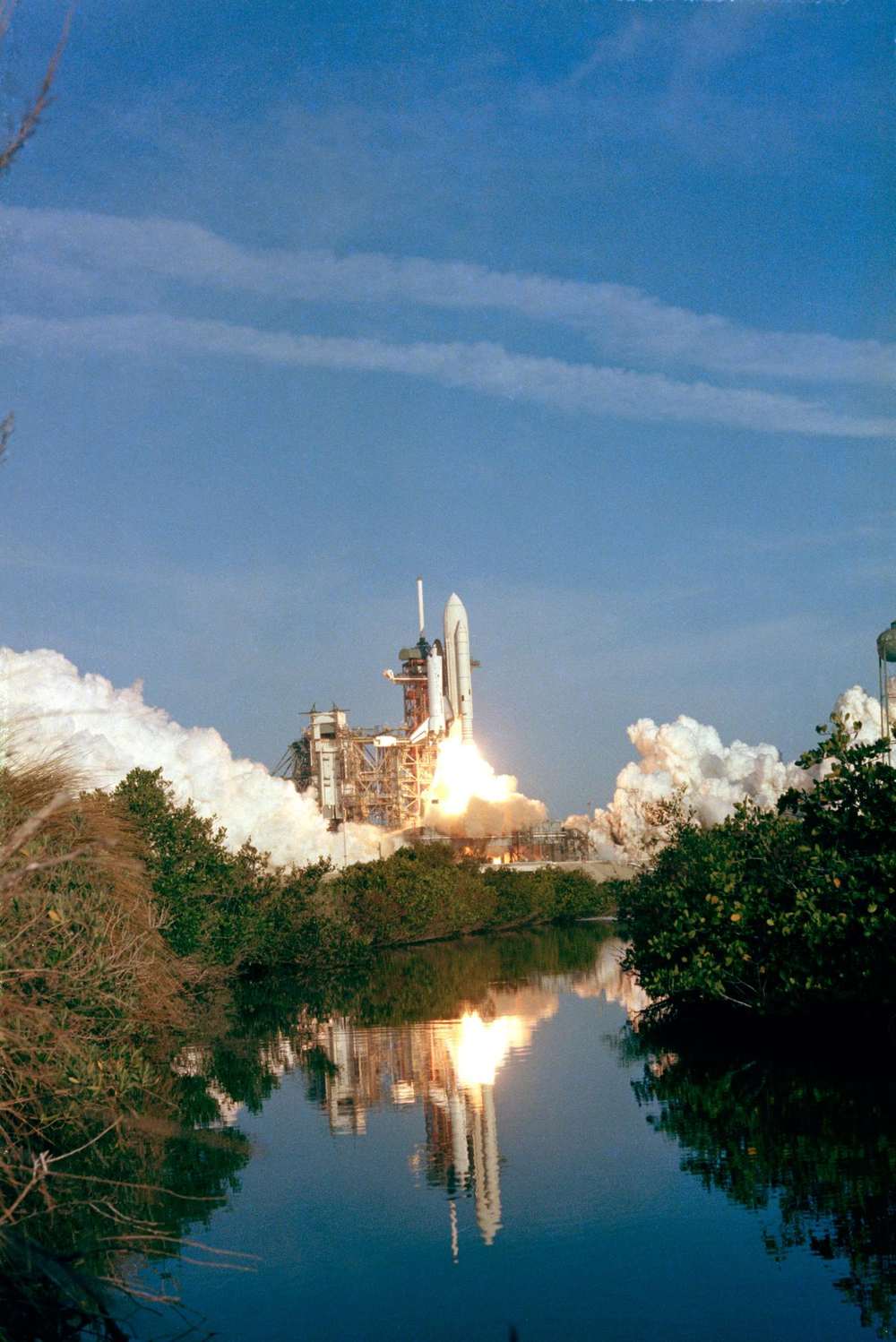
Space Shuttle
The first reusable orbiter, and the first vehicle with a robotic arm and a payload bay designed to bring things home. Satellite retrieval and repair became possible, and expensive.
The arm, the bay and the airlock made orbit a workplace, and capture, repair and return became operations a vehicle could be designed around. Reuse was demonstrated; cheap reuse was not, and that gap shaped the next forty years.
1998
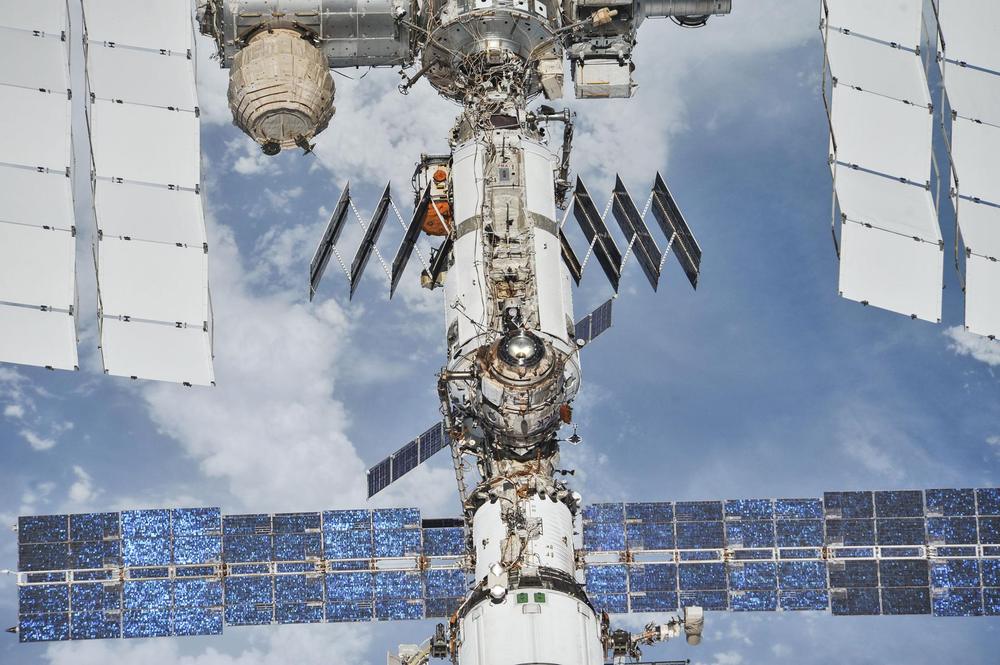
International Space Station
Assembled from more than thirty flights over a decade, by five agencies whose vehicles had to dock with hardware they had not built. Interoperability stopped being optional.
Modules that never met on the ground mated in orbit, which is only possible when interfaces are specified tightly enough to be trusted sight unseen. The station is a standing argument that interface control documents are structural.
2012
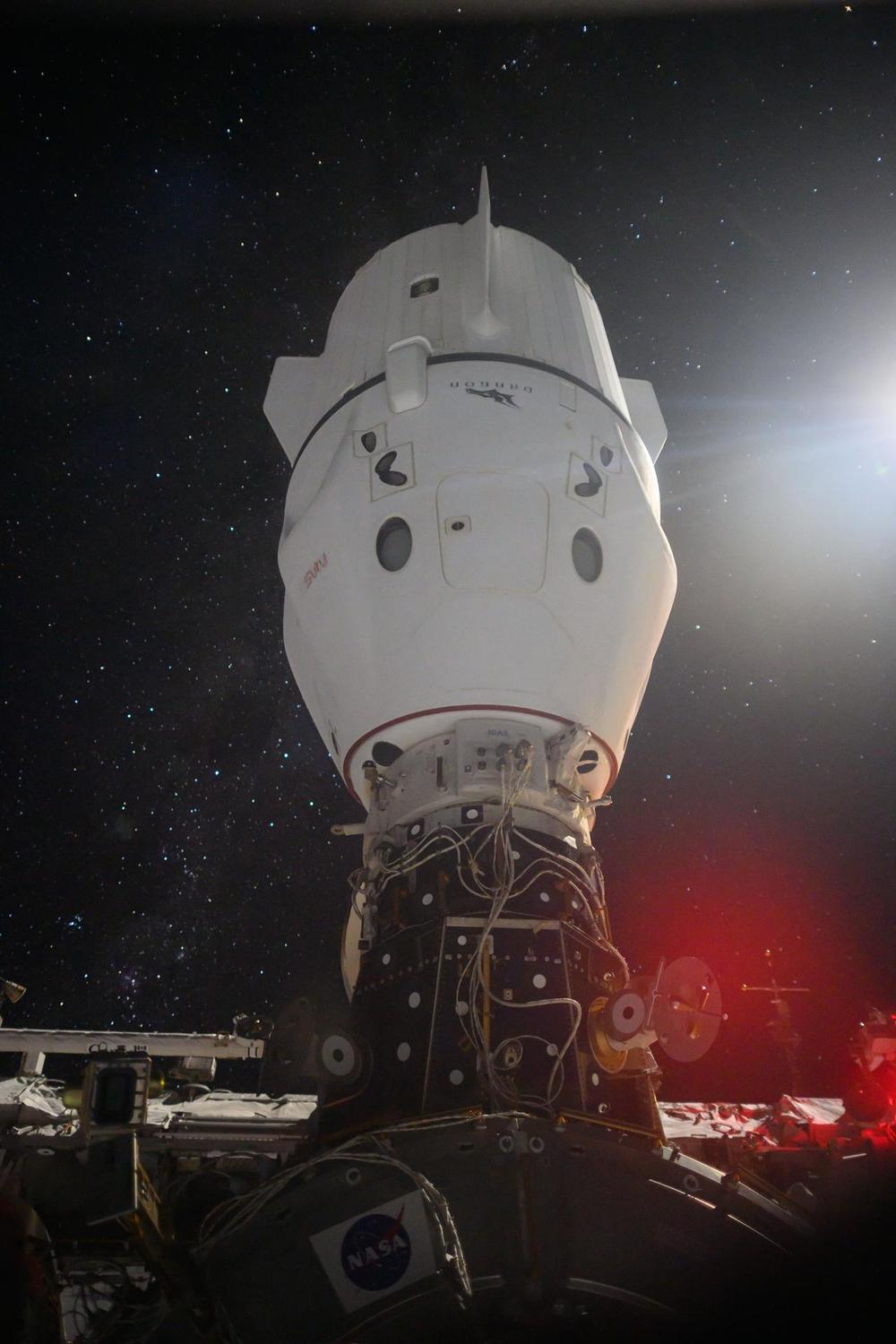
Commercial docking
Dragon becomes the first commercial spacecraft to reach the ISS. It was berthed rather than docked: the vehicle held station nearby and was captured by the station’s robotic arm, which then bolted it on. Docking, meaning flying all the way to contact under its own control, came with Crew Dragon in 2019. Both moved from national programmes to contracts.
Berthing lowered the certification barrier deliberately, since holding station nearby is easier to prove safe than flying to contact, and the arm handles the last metres. Cargo before crew and berthing before docking is risk staged in the right order.
2020s
Servicing and removal
MEV-1 docks with a commercial satellite that was never designed to be docked with, and extends its life. Debris removal missions move from proposals to funded flights. The targets are now uncooperative by default.
MEV-1 gripped a feature never meant for it, the target’s apogee engine nozzle, because that is what an unprepared satellite offers. Designing the chaser around whatever geometry the target happens to have is the defining problem of servicing.
Read as a sequence, the pattern is plain: every era’s hardest problem becomes the next era’s assumption. Rendezvous was heroic in 1965 and routine by 1975. Approaching something that does not want to be approached is where that line sits now.