T minus 00:08:00 WHY THIS TOPIC
The failures are the syllabus
Successful dockings look alike. The failures are where the design assumptions become visible, and they cluster around a small number of causes: a fault that could not be localised in time, a sensor that was trusted outside its envelope, and an approach whose safety depended on nothing going wrong.
Mar 1966
coupled-vehicle faultGemini 8partial
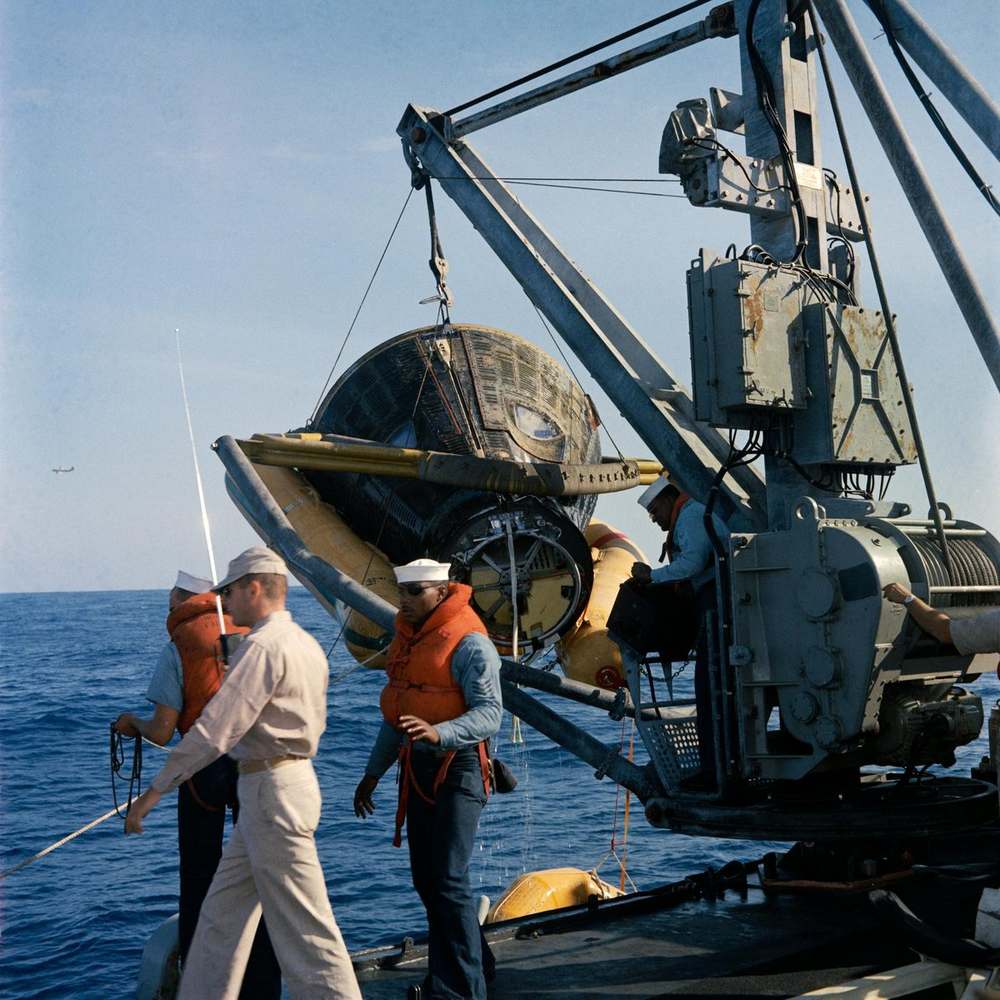
A thruster stuck open on the chaser minutes after the first docking in history, and the docked Agena’s mass masked it. The crew undocked to escape the fault and the spin rate tripled. The full account is in topic 9. The lesson has not aged: a docked pair is one vehicle, and separating from an unlocalised fault is not automatically safe.
Feb 1971
six attempts to captureApollo 14partial
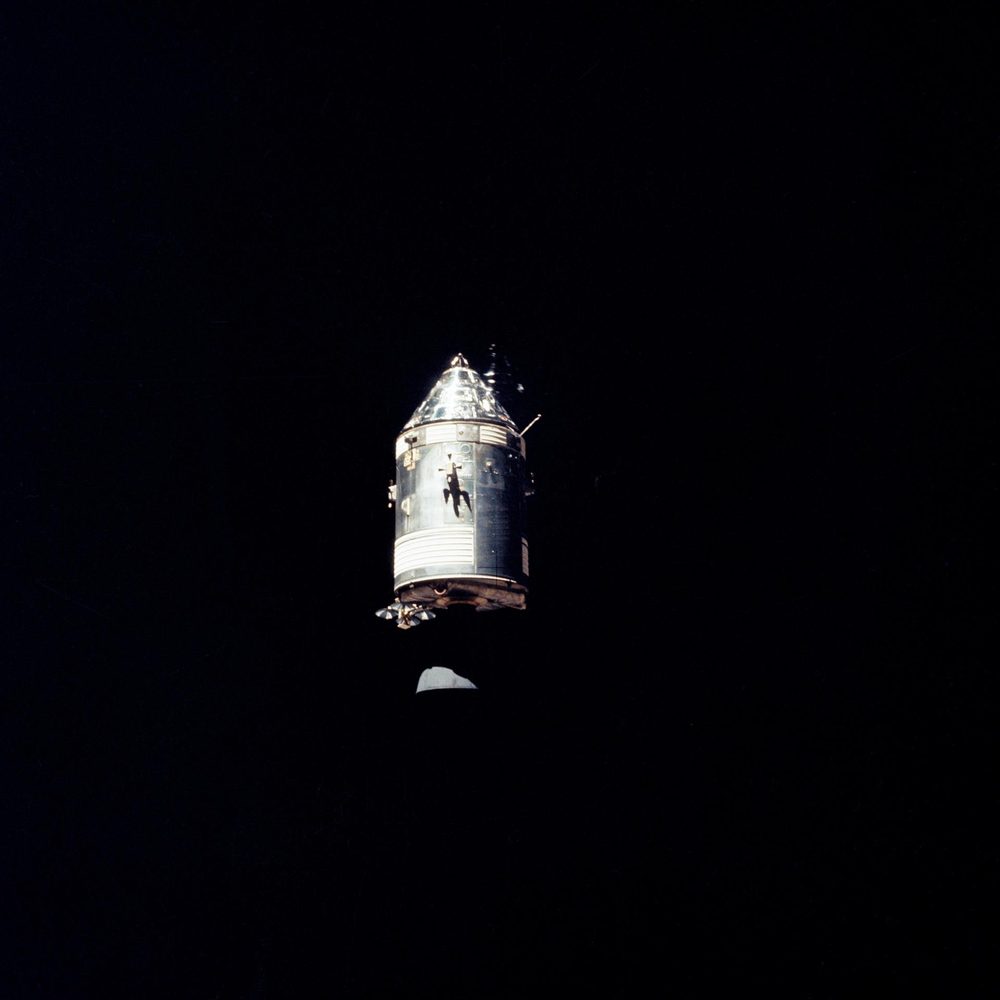
On the way to the Moon the command module made five failed attempts to dock with the lunar module before the sixth latched. Had it failed, the landing was off. The suspected cause was debris or ice in the capture latches: a mechanism that had worked eight times before failed on the ninth, for reasons never fully established.
Apr 1971
soft dock, no hard dockSoyuz 10failed
The first flight to a space station docked softly with Salyut 1 and could not achieve a hard dock: the probe latched but the interface would not retract and seal, most likely damaged during the automatic approach. The crew held on for five and a half hours, never opened the hatch, and came home. Contact is not capture, and capture is not a connection you can use.
Aug 1974
automation with no fallbackSoyuz 15failed
The Igla system failed during approach to Salyut 3 and, instead of holding off, repeatedly drove the spacecraft towards the station at closing speeds the crew could not correct by hand. They aborted and flew an emergency night landing. The automation had no safe failure mode, and the crew had no trained manual rendezvous to fall back on.
Oct 1976
abort, then nearly drowningSoyuz 23failed
Igla failed again on approach to Salyut 5 and the docking was abandoned. The re-entry that followed put the capsule into Lake Tengiz in a blizzard at night, where it sank to its parachute and the recovery took hours in fog. A rendezvous failure is never only a rendezvous failure; it reshapes everything downstream of it.
Apr 1983
rendezvous by radar, blindSoyuz T-8failed
The rendezvous antenna boom tore away during ascent, unnoticed. The crew attempted a manual rendezvous with Salyut 7 using ground radar vectors and a stopwatch, closed in darkness without range data, and aborted on the final approach rather than risk collision. The judgement to stop was the best flying on the mission.
May 1992
the capture tool that would notSTS-49 and Intelsat 603partial
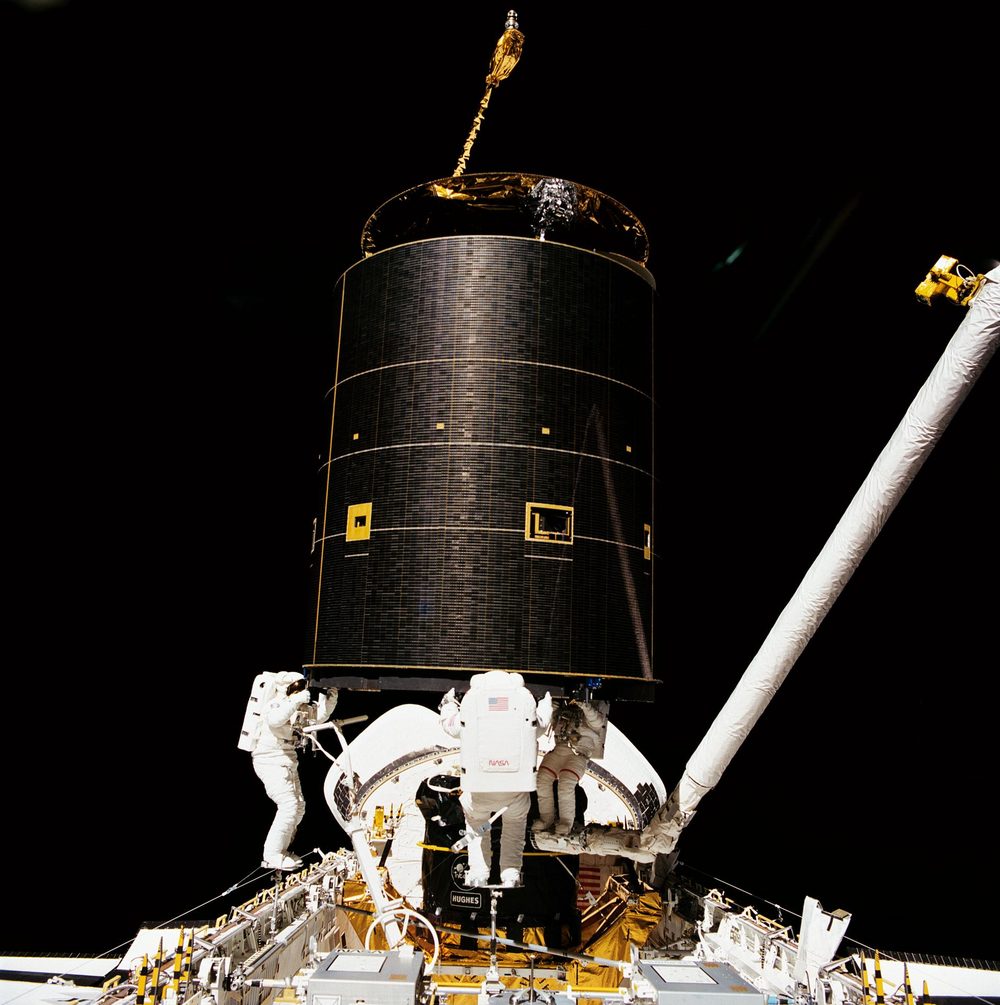
A purpose-built capture bar failed to latch onto the stranded satellite across two spacewalks and many attempts: the bar imparted motion to the satellite with every try, exactly the failed-capture dynamics Solar Max had shown in 1984. It was finally caught by three astronauts grabbing it by hand, the first and only three-person EVA. The tool had been tested against a rigid mock-up; the real satellite moved.
Sep 1994
manual docking, first collisionProgress M-24failed
A Progress freighter under the TORU manual system struck Mir during a docking test, glancing damage only. The warning was not heeded, and the same test regime continued.
Jun 1997
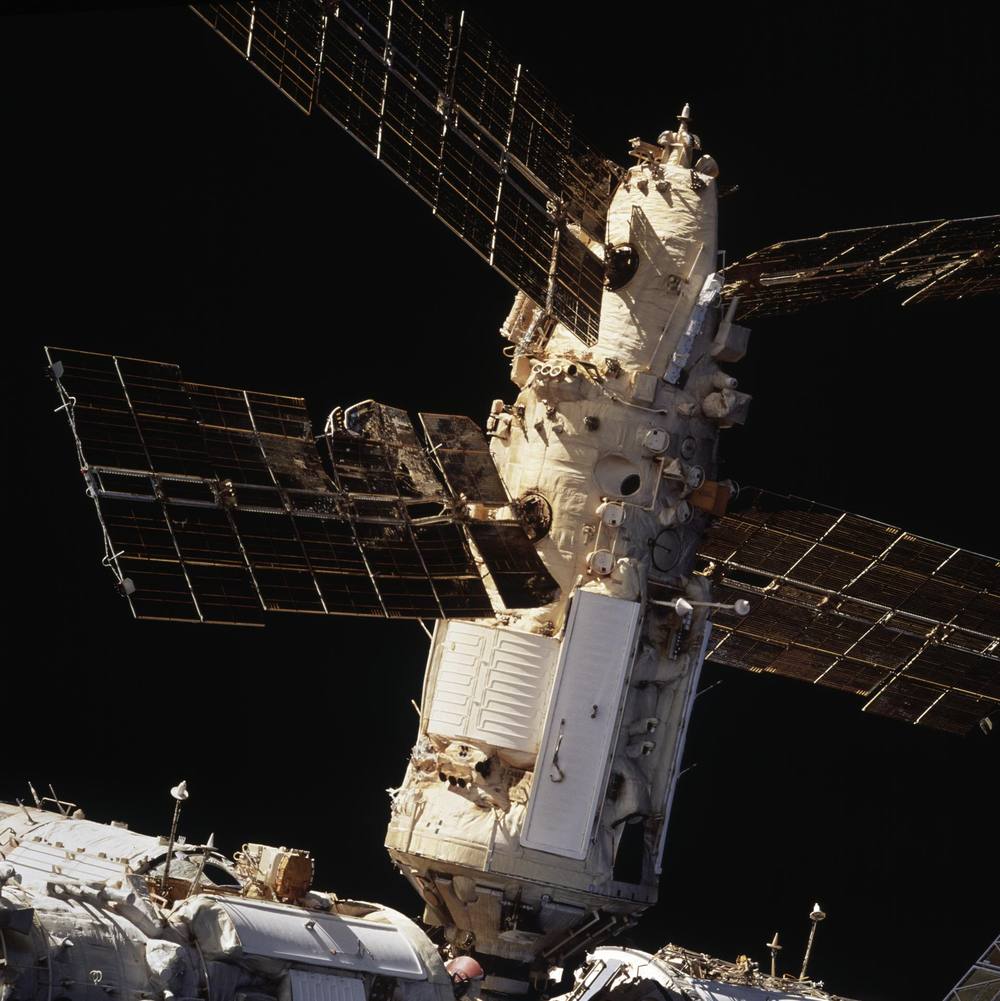
the Mir collisionProgress M-34failed
The second manual docking test collision was far worse: the freighter struck the Spektr module and a solar array, holed the pressure hull, and cost the station a quarter of its power. The crew sealed the module and saved the station. The operator had no independent range data, judging closure by eye from a camera image. A proximity operation without range and range-rate measurement is an operation flown blind.
Apr 2005
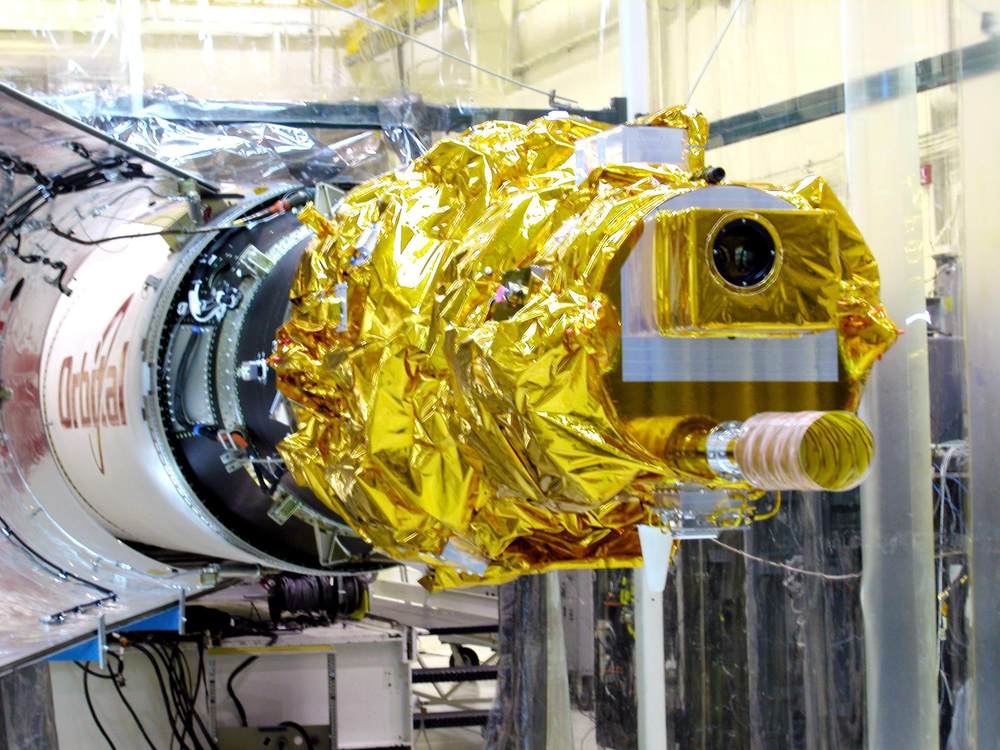
a confident, wrong estimatorDARTfailed
The autonomous rendezvous demonstrator collided with the satellite it came to inspect. Its navigation had drifted, its own estimate of closing velocity was wrong, and nothing on board cross-checked it: the spacecraft believed it was backing away while it was closing. An estimator without an independent check is a single point of failure that reports success.
Aug 2019
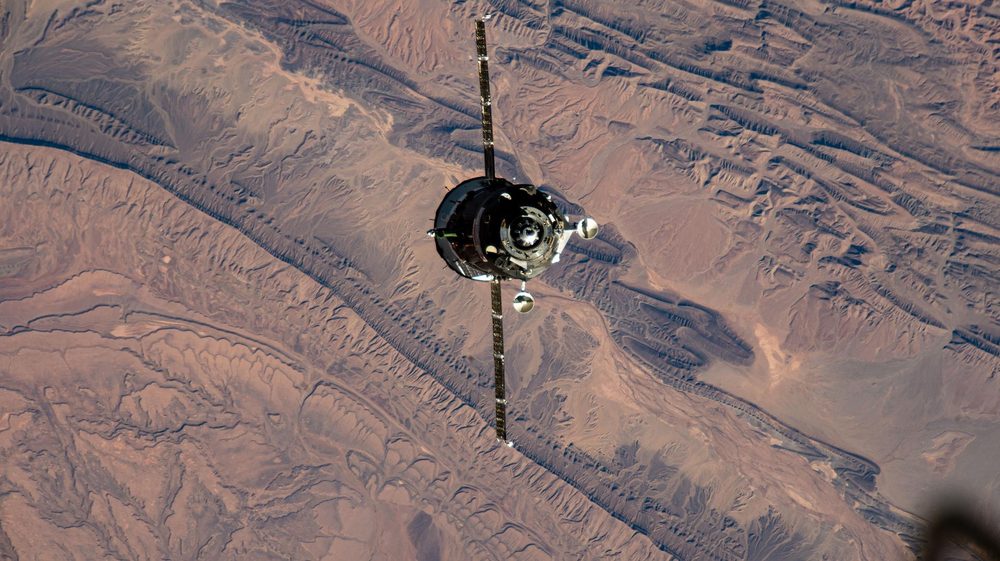
the station side can fail tooSoyuz MS-14partial
An uncrewed Soyuz aborted its first approach to the ISS when the Kurs signal degenerated close in. The fault was in the station’s Kurs amplifier, not the spacecraft: the crew moved another Soyuz to free a different port, and MS-14 docked there two days later. Rendezvous is a two-vehicle system, and the healthy vehicle is not always the one at fault.
Dec 2019
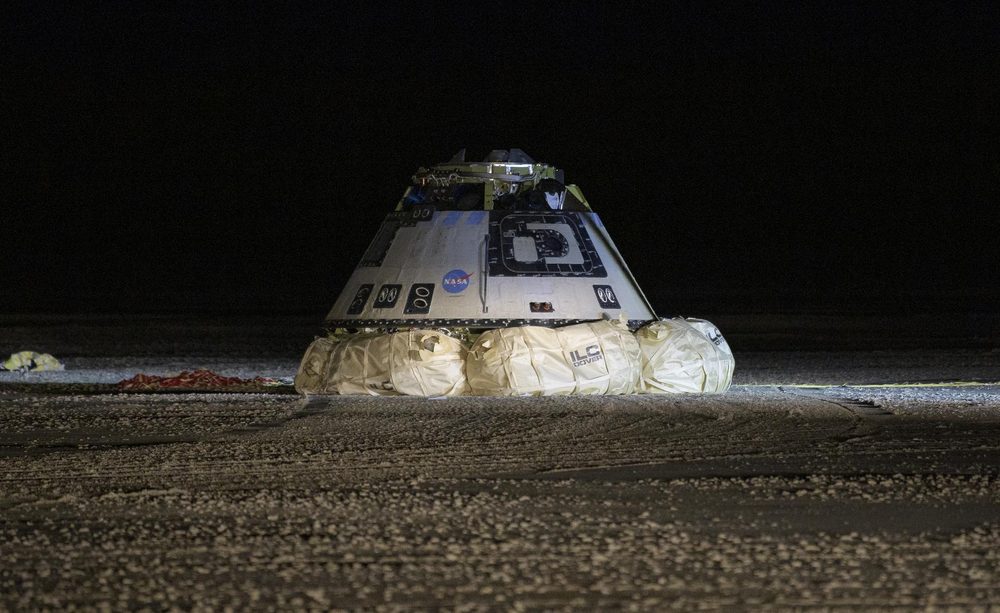
the clock that burned the propellantStarliner OFTfailed
A mission elapsed timer initialised eleven hours off, so the spacecraft thought it was in a different mission phase and burned its rendezvous propellant holding a pointing mode it did not need. It never approached the station. A timing fault, not a guidance fault: the failure modes live in the software plumbing as often as in the algorithms.
Jul 2021
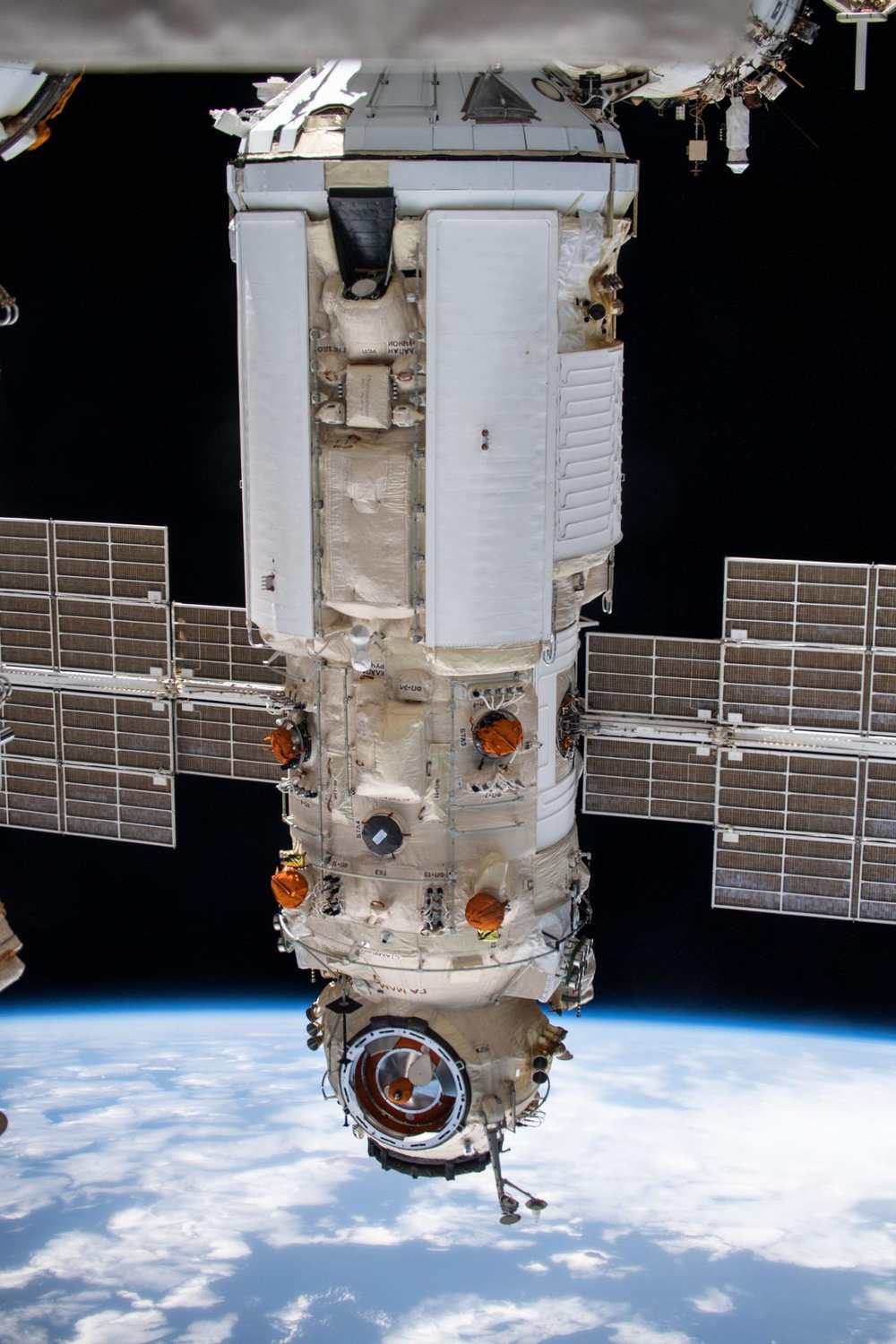
the fault after the dockingNaukapartial
Hours after the module docked, its thrusters fired uncommanded and rotated the whole ISS through more than a full revolution before opposing thrusters caught it. Docking is not the end of the risk: the combined vehicle is a new control problem, and Gemini 8’s lesson reappeared fifty-five years on, at station scale.
Jan 2022
four thrusters of eightELSA-dfailed
Astroscale’s debris-capture demonstrator released its client and began the autonomous recapture, then aborted when the vehicle reported anomalous conditions. Four of its eight thrusters were dead, and a capture under degraded control authority was rightly not attempted: the client stayed adrift. The 2021 magnetic capture had already succeeded, so the demonstration proved the mechanism and then proved the harder point, that the servicer’s own health is part of the capture problem.
Jun 2024
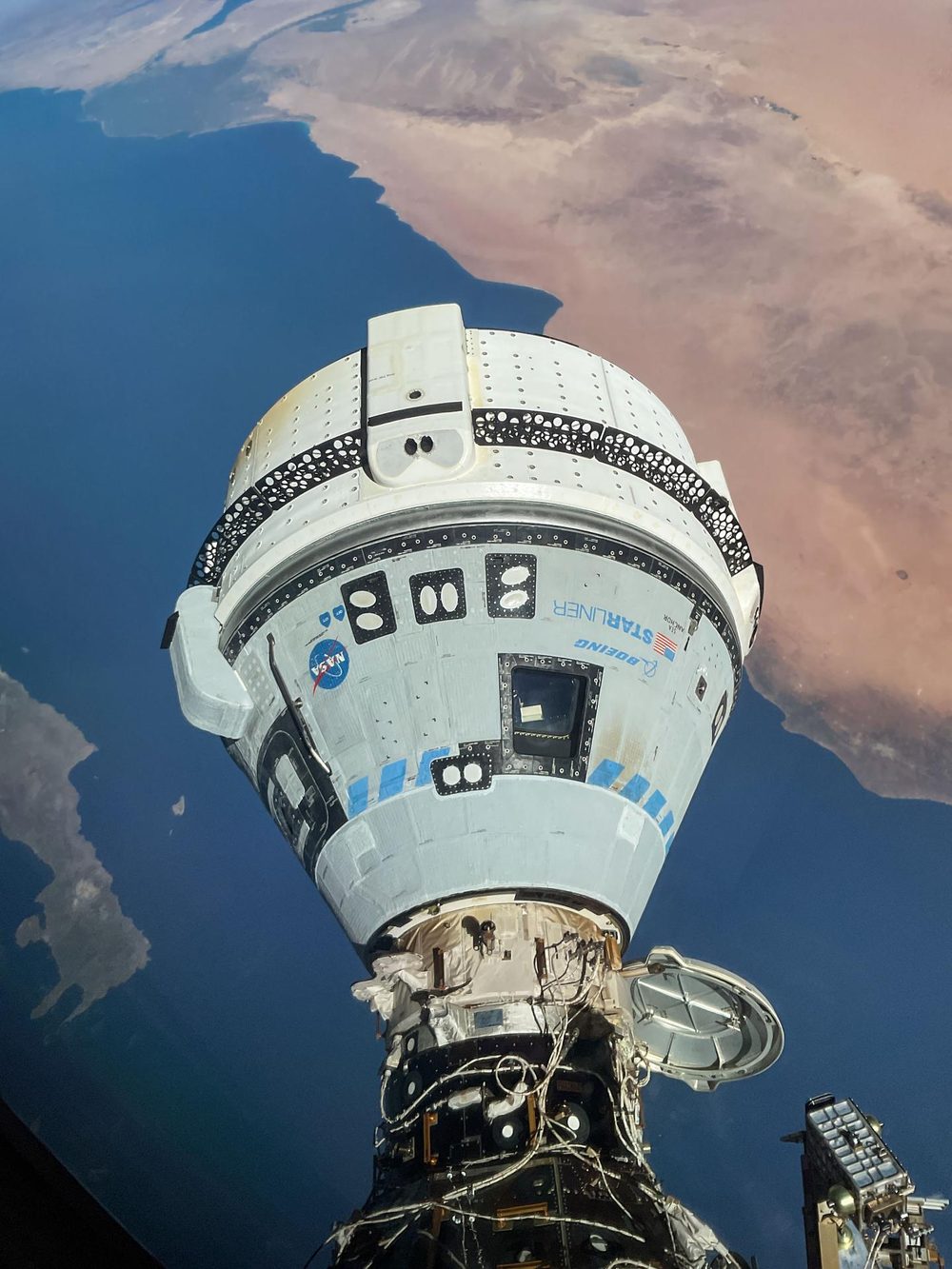
thrusters failing on approachStarliner CFTpartial
On the crewed flight test, five reaction-control thrusters dropped out during the final approach, and docking was held while four were recovered. The spacecraft docked, but the thruster doghouse problem, overheating in a particular firing pattern, was judged serious enough that it returned to Earth without its crew, who came home months later on a different vehicle. Propulsion degradation during proximity operations is the recurring failure of the modern era.